Gear selection
Camp lighting: headlamps, lanterns, and placement
Published 2026-08-30
Camp lighting is about task coverage, not brightness alone. A headlamp for hands-free tasks, a lantern for campsite coverage, and a plan for failure cover most trips without carrying a box of gear.
Start with a headlamp per person
A headlamp keeps both hands free for cooking, tent setup, and night walks. Choose one with adjustable brightness, a red mode to preserve night vision, and a battery or charge plan that matches the trip length.
Test the headlamp before the trip, and know how to change the batteries or charge it without losing the light in the dark.
Add a lantern for shared space
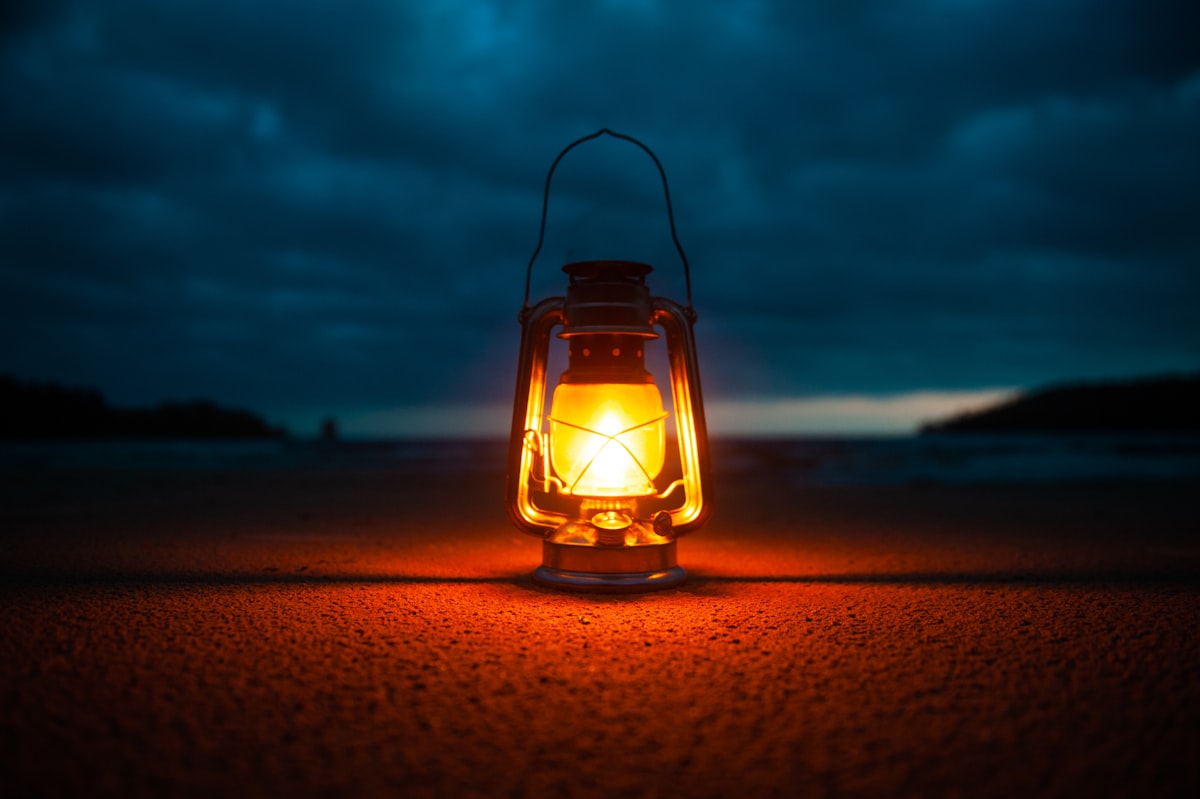
A lantern lights the cooking area, the table, and the tent for shared tasks. Compare brightness, run time, and packed size against your campsite needs, and check whether the campground allows open-flame lighting such as candles or fuel lanterns.
Position lanterns where they light the work area without blinding people across the table, and keep them away from flammables and tent fabric.
Plan the failure case
Carry at least one spare light source that does not depend on the main system—a second headlamp, a small flashlight, or a phone with a charging plan. Confirm the phone charging plan, since a phone light is a common backup.
Record your factors—tasks, run time, battery type, rules about open flames—and compare lights against them.
- One headlamp per person, tested before the trip.
- A lantern for shared space, positioned safely.
- A spare light source and a phone charging plan.
Place light where hands will work
Walk through the campsite and identify the three places that need light: the tent entrance, the cooking or eating surface, and the path to the restroom. A light placed too high or too bright can create glare instead of helping.
Store the backup light in a known pocket and test it with the batteries installed. Small habits—one light per person and no loose batteries in wet gear—make the system easier to use when the site is dark.
Record the two specifications that decide this page’s choice, then compare them side by side.
For lighting, compare task brightness, runtime, battery format, weather resistance, and mounting options for the places you will actually use it.
Write the single condition that would make you choose the other option before buying.
For lighting, compare task brightness, runtime, battery format, weather resistance, and mounting options against the campsite tasks after dark.
Field check
Compare a 200–400 lumen headlamp, 8–24 hours of claimed runtime, and 2 spare battery sets. Test the tent door, cooking surface, and restroom path after dark. Verify the current guidance ↗
Further reading
Sources to check for your place and date
More to explore
Related guides
How to choose a family tent without guessing
Explore How to choose a family tent without guessing with a focused checklist and local-rule checks before departure.
Gear selectionSleeping bag temperature ratings: what the number can and cannot tell you
Explore Sleeping bag temperature ratings: what the number can and cannot tell you with a focused checklist and local-rule checks before departure.
Gear selectionCamping stove types compared: canister, liquid, and wood
Explore Camping stove types compared: canister, liquid, and wood with a focused checklist and local-rule checks before departure.
A final check
A gear-specific final check
For lanterns and headlamps, compare beam pattern, battery format, packed size, and warranty on the exact model page before buying.