Trip planning
RV, travel trailer, or rooftop tent: compare the travel setup before you buy
These setups solve different travel problems. The best option depends less on trend and more on the number of travelers, vehicle, storage, camping frequency, and the campsites you plan to use.
Published 2026-08-24
Start with your vehicle and storage reality
Before comparing floor plans or features, check vehicle manufacturer guidance, towing capacity where relevant, roof-load limits, and the practical space available at home. Published product weights do not replace vehicle-specific guidance.
Include storage, maintenance, registration, insurance, and setup time in the comparison—not just the purchase price.
Compare the nightly routine
Think through arrival, leveling, sleeping, cooking, bathroom needs, packing up, and moving each day. A setup that feels simple on a showroom floor may be different in rain, darkness, or a crowded campground.
Build your own weighted decision table
List your factors, decide which matter most, and record the evidence source for each. A transparent comparison is more useful than a generic winner because it reflects your route and constraints.
Test the setup before committing to ownership
Borrow or rent a similar setup for a weekend if possible. Time the real sequence: departure, parking, leveling, opening the sleeping area, cooking, packing, and driving away. Those minutes and awkward steps matter more than a showroom walkthrough.
Make a total-cost sheet that includes storage, maintenance, registration, insurance, and site fees. Leave a blank line for unknowns rather than pretending a generic estimate applies to your vehicle and local rules.
Put the reservation, route, timing, and fallback into one offline trip note.
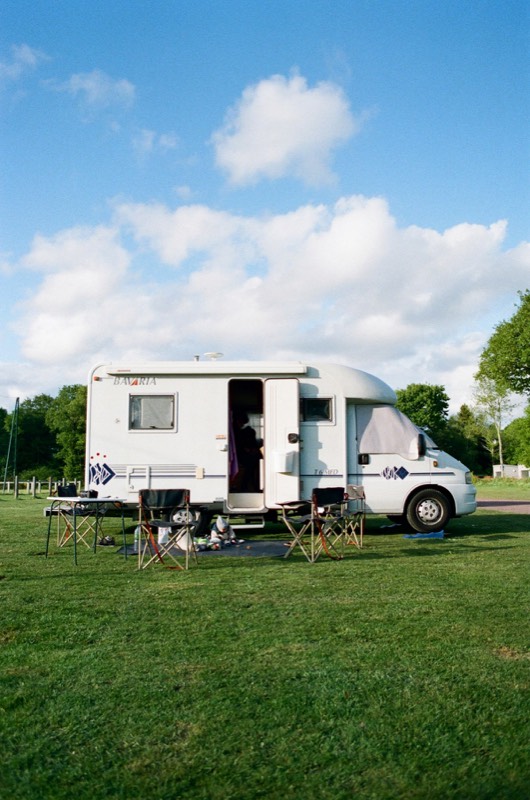
For a mobile shelter, compare payload, roof or hitch limits, storage, setup sequence, site length, and ownership costs with your vehicle and home.
Name the weather or access change that would trigger your backup plan.
For RVs, trailers, and rooftop tents, confirm loaded dimensions, vehicle limits, setup hardware, and warranty for the exact configuration.
Field check
Check 3 numbers before renting: vehicle payload, roof or hitch load, and campsite length. Leave at least 10% capacity below the published limit until weights are verified. Verify the current guidance ↗
For a trailer or rooftop tent, compare vehicle payload, roof dynamic load rating, hitch limits, and packed height before buying. Measure garage clearance and campsite approach, then rehearse leveling, ladder placement, and emergency-exit access at home. Recheck the load after adding water, bikes, or an awning. Decide by usage frequency first: frequent weekend trips reward setup speed and low storage demands, while a long trip rewards interior comfort, and whichever you pick should fit the tow rating, garage height, and site length you already have.
Further reading
Sources to check for your place and date
More to explore
Related guides
A campground selection checklist for first-time campers
Explore A campground selection checklist for first-time campers with a focused checklist and local-rule checks before departure.
Trip planningHow to read a campground site map before you book
Explore How to read a campground site map before you book with a focused checklist and local-rule checks before departure.
Trip planningCar camping vs backpacking: pick the right first trip
Explore Car camping vs backpacking: pick the right first trip with a focused checklist and local-rule checks before departure.
Final check
A gear-specific final check
Compare tow or roof weight, setup time, and site access for the rig you actually have before buying.