Checklists
A first-night camping plan for young families
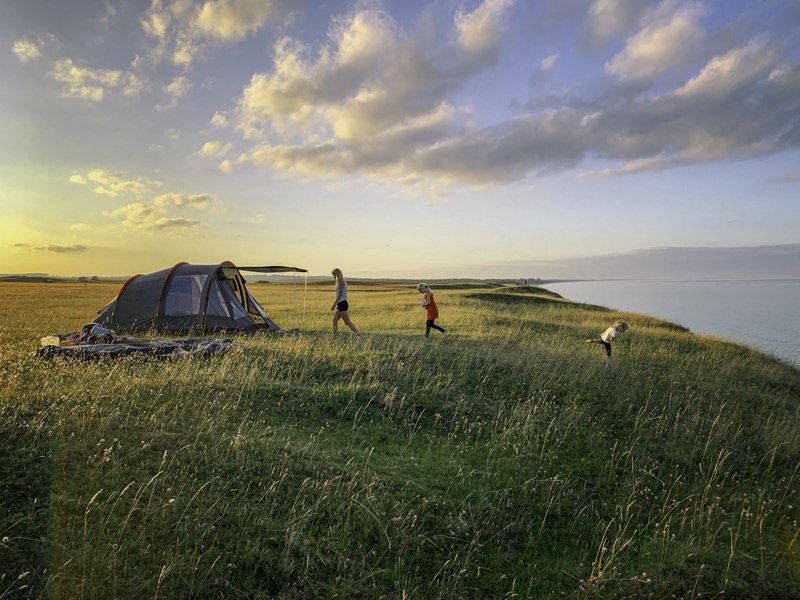
Keep the first night simple: arrive early, set up in daylight, and check each system before dark.
Read guide🍳 The campsite routine, done well
No-cook meals, campfires, family routines, and the small systems that make a camp night comfortable.
Camp life covers everything that happens after the tent is standing: what gets cooked, how the evening is lit, and how a group shares a small space without friction. These are the parts of a trip that decide whether anyone wants to go again.
The guides are ordered by the point at which the decision arrives rather than by difficulty. Start with meal planning if you are packing for the first time, move to lighting and furniture once you know how much space you actually have, and read the family routines last, because they depend on everything above them.
The list below is deliberately short. It holds four guides, and each one answers a question that comes up after the shelter is resolved but before anything can be enjoyed: what the group eats, how the evening is lit once the sun goes, how a fire is managed within the rules of the place you are staying, and how a family with young children shares a small pitch without the whole trip turning into logistics.
The fire guide is the one to read even if you do not plan a fire. Restrictions are set by the land manager, they change with the season and the local fire danger, and a plan that assumes a fire is available can leave a group with no cooked dinner and no light. Reading it early tells you whether the meal plan needs a second, fireless route.
Camp lighting sits between the kitchen and the routines rather than in a gear section of its own. The reason is that lighting is a placement problem before it is a product problem: where the lantern goes decides whether the cooking area is usable, whether anyone can read, and whether the tent stays dark enough to sleep in. The furniture guide works the same way, since chairs and tables are chosen by the space a pitch actually offers rather than by comfort alone.
If you are arriving at this section from the gear pages, expect a shift in emphasis. Gear explains what a specification means and how to compare two products on it. Camp life assumes the equipment exists and works out how a group uses it across an evening, which is where most of the friction on a real trip actually sits.
Keep the first night simple: arrive early, set up in daylight, and check each system before dark.
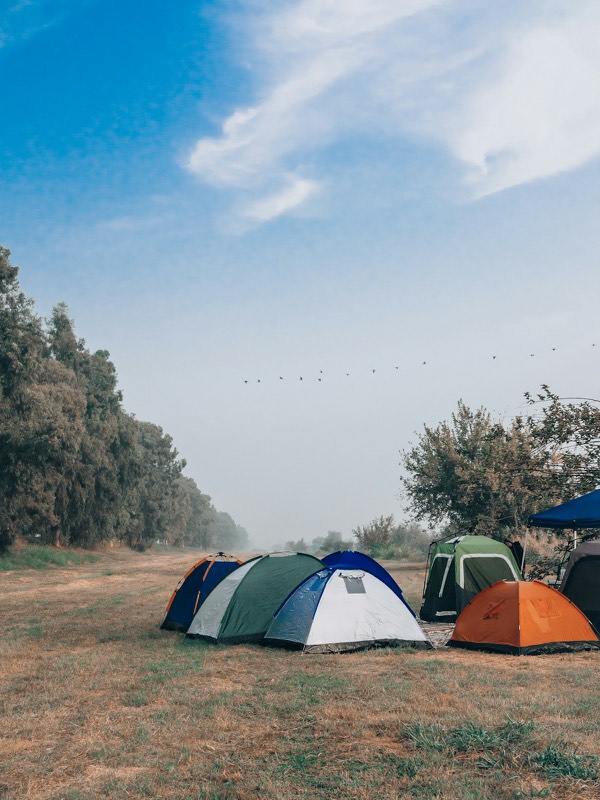
Read guideBuild a group checklist around systems, roles, and the youngest member's needs.
Read guideCheck restrictions, build within the rules, and plan the fire's end before you light it.
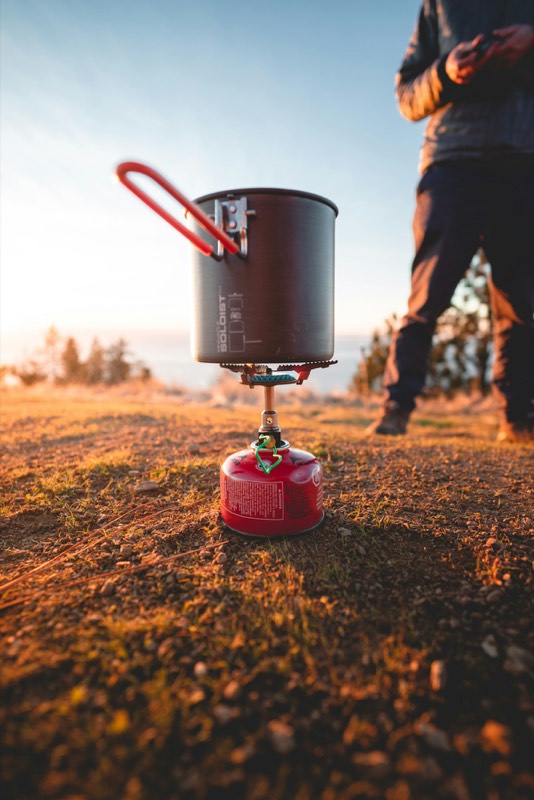
Read guidePlan meals that need no fire, and store food by the campground's rules.
Read guide